
Precision keeps a fab alive. One small slip can throw off a whole lot. The wafer alignment notch guides tools so each wafer sits in the right position before processing starts. If it fails, chaos follows. Robots grab at the wrong angle. Patterns shift off target. Yield drops fast. Production slows. Engineers rush to fix what went wrong. In high-volume manufacturing, even a tiny rotation error can snowball into a major loss.
Role of Wafer Alignment in Transfer Systems
Every wafer needs correct orientation. The notch acts like a road sign. Sensors read it before the wafer moves forward. Once detected, the system locks in position.
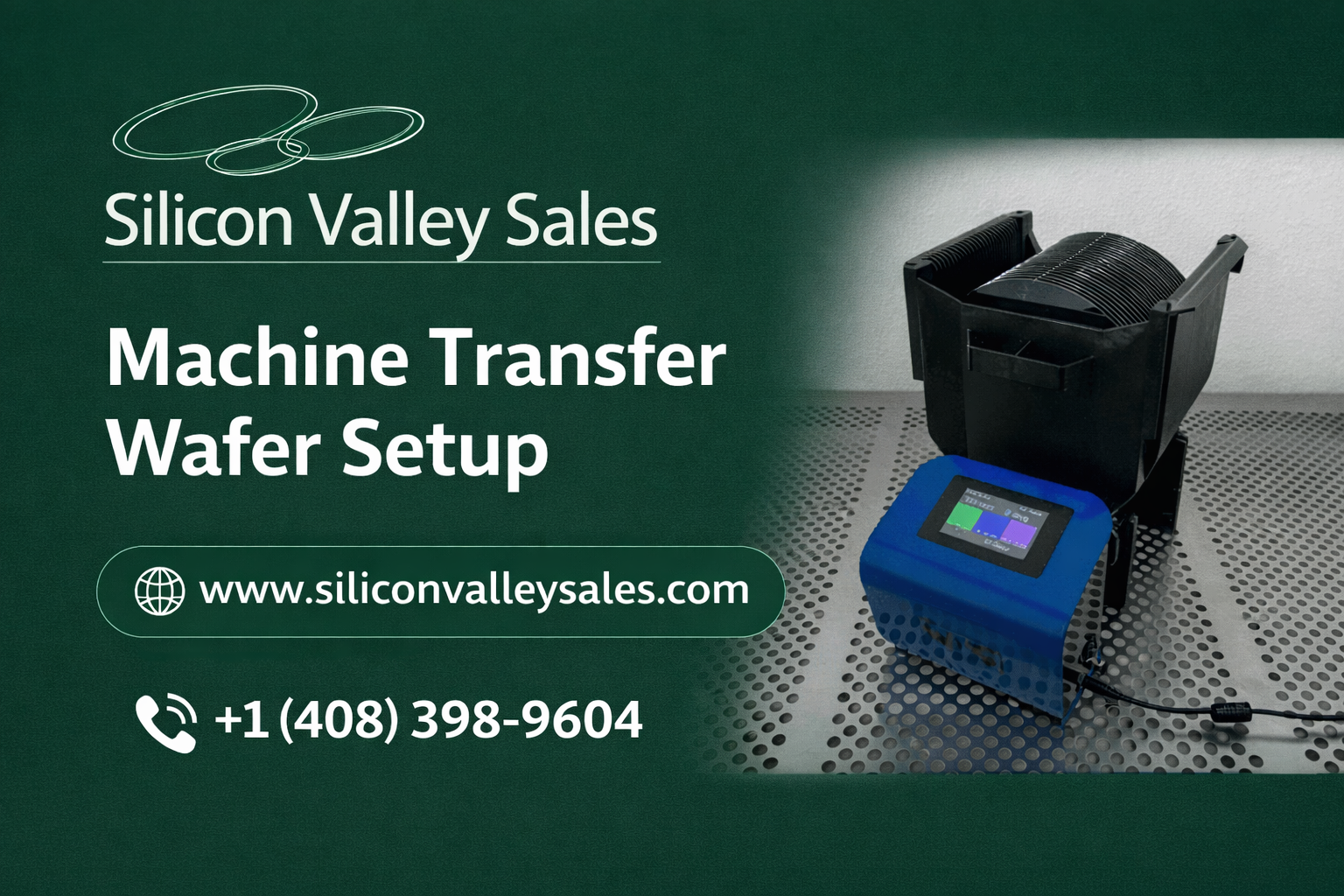
In a machine transfer wafer setup, robotic arms depend on this signal. They lift, rotate, and place wafers with tight control. If the notch lines up right, the flow stays smooth. If not, errors stack up.
Each downstream step relies on orientation. Lithography aligns patterns. Etch follows layout marks. Inspection checks set zones. One wrong angle disrupts the chain.
Immediate Impact of Notch Failure
When notch detection fails, the wafer may rotate off-axis. Even a small shift can create trouble.
Common problems include:
• Misplacement of chucks
• Pattern overlay errors
• Robot grip instability
• Edge chips during transfer
• Increased particle risk
These issues stop tools. Operators pause production. Engineers check sensors and wafers. Time slips away. Costs rise.
Effect on Lithography Accuracy
Lithography demands tight control. Patterns must land exactly where planned. If the wafer alignment notch gives the wrong read, exposure tools align on the wrong axis.
Now layers do not match. Circuits fail tests. Devices lose performance. Yield drops.
Engineers must recalibrate alignment systems. They run test wafers. They verify overlay maps. All of this slows production. In chip making, time equals money.
Robotic Handling Risks
In a machine transfer wafer system, robots rely on correct orientation. If the notch data is wrong, the robot may tilt the wafer or grip off-center.
This can cause small edge damage. Even minor chips create particles. Particles spread into chambers. Contamination grows. More wafers face defects.
Over time, repeated misalignment stresses robotic parts. Maintenance needs increase. Downtime becomes more frequent.
Root Causes Behind Notch Failure
Notch failure often links to simple issues. Wear and tear play a big role. Repeated handling can round the edges of the notch.
Other causes include:
• Sensor miscalibration
• Dirt blocking optical readers
• Software mapping errors
• Poor wafer loading practices
If teams ignore early warning signs, small alignment drift grows into serious trouble.
Long-Term Production Consequences
Persistent notch problems hurt yield over time. Scrap rates rise. Delivery schedules slip. Customers may question quality.
Engineering teams spend hours digging into data logs. They compare overlay trends. They inspect wafers under microscopes. This effort pulls focus away from innovation.
Automation also loses trust. Operators may add manual checks. This slows output. In advanced nodes, tight timelines matter. Any delay hurts competitiveness.
Final Thought
The wafer alignment notch may seem small, but it plays a huge role in any machine transfer wafer setup. When it fails, errors spread fast. Patterns shift. Robots struggle. Yield drops. Smart fabs treat alignment control as a priority. Strong monitoring and steady maintenance keep production stable and protect long-term performance.
Frequently Asked Questions
1. What does a wafer alignment notch control?
It controls wafer orientation so tools align processes correctly.
2. Can notch failure affect yield directly?
Yes. Wrong orientation can cause overlay errors and device defects.
3. Why is machine transfer wafer alignment so sensitive?
Robots require precise orientation to grip and place wafers safely.
4. How can fabs detect notch issues early?
They can monitor overlay data and inspect sensors during routine maintenance.
5. Does notch wear increase over time?
Yes. Repeated handling can change notch shape and affect sensor readings.
Improve Alignment Reliability with Expert Support
If your facility aims to reduce transfer errors and protect wafer integrity, Silicon Valley Sales offers advanced wafer handling solutions built for precision and stability. Connect with their team to explore equipment options, improve alignment control, and keep your fabrication process running with confidence and consistency.